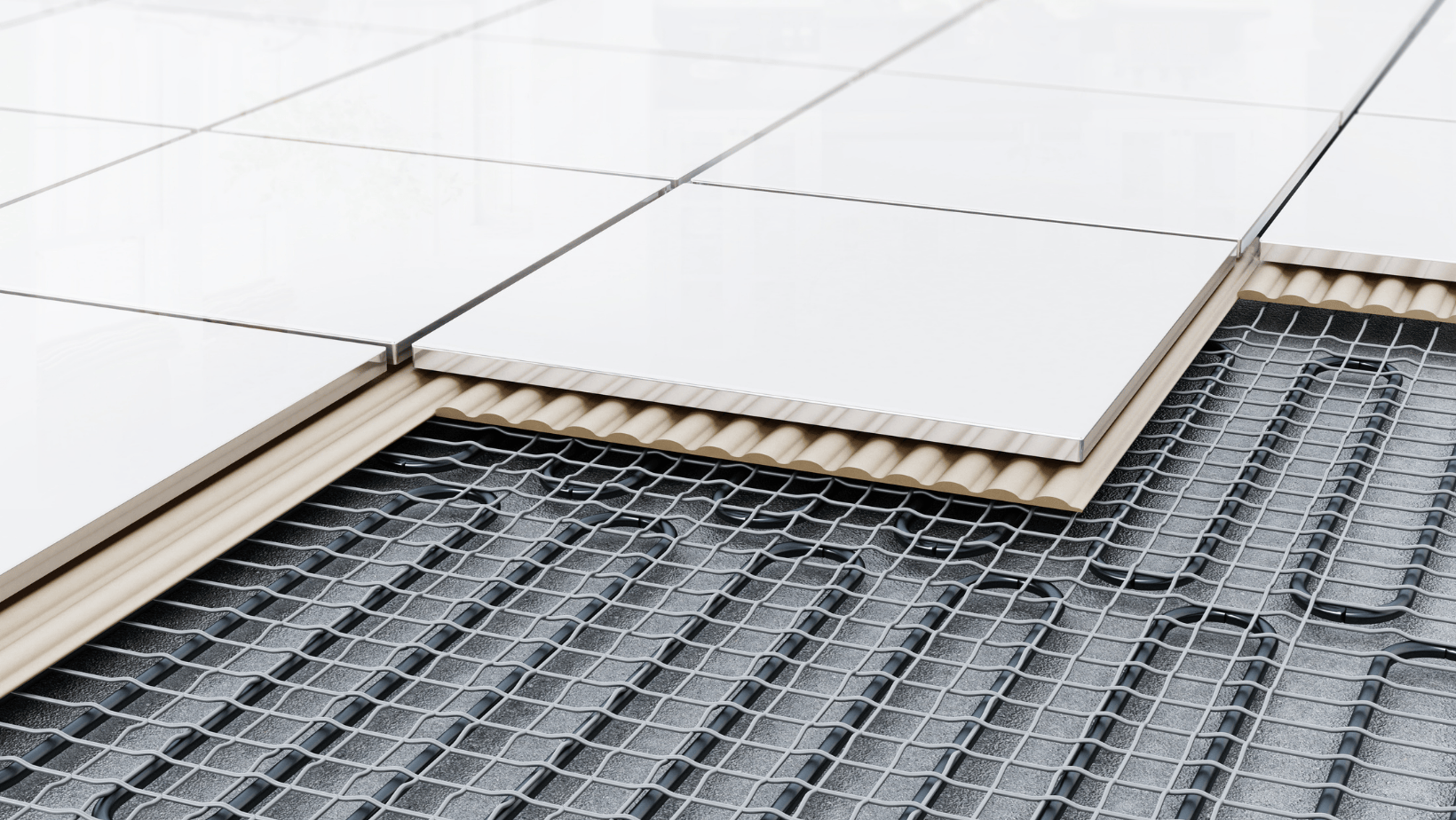
Ground source heat pumps (also called geothermal heat pumps) are considered a more energy-efficient and eco-friendly way to heat and cool your home. These systems transfer heat from the ground to regulate the temperature of a home year-round and it is suggested that they can save you money on your energy bills too.
How Do Ground Source Heat Pumps Work?
A ground source heat pump is installed a few feet below the surface, where the ground stays at a fairly constant temperature all year round, and uses this consistent temperature by circulating water or a mixture of water and anti-freeze through underground pipes, known as a ground loop.
In the winter, the system pulls heat from the ground and brings it inside. In the summer, it works in reverse, removing heat from your home and transferring it back into the cooler ground.
Types of Ground Source Heat Pumps
There are a few different options depending on your location and available space:
- Horizontal loops are laid out in trenches over a wide area and are good if you have a large garden.
- Vertical loops are considered better for smaller spaces, especially in built-up areas, as they go straight down into deep boreholes.
- Open-loop systems which use groundwater from a well or pond to exchange heat, releasing the water back into the ground or back into the original source.
Why Are Ground Source Heat Pumps Considered More Efficient?
It is suggested that one of the biggest benefits of ground source heat pumps is their high efficiency. For every unit of electricity they use, they provide around three to four units of heating or cooling. That is considered far more efficient than most traditional systems, which is expected to result in lower energy bills over time. They are also said to require less maintenance because a majority of the components are underground or inside the home, away from weather damage. Underground loops are said to last 50 years or more with the indoor components typically lasting 20 to 25 years.
Environmental Benefits of A Ground Source Heat Pump
As ground source heat pumps don’t burn fossil fuels like oil or gas furnaces do, they produce fewer greenhouse gas emissions. Furthermore, if they are powered with renewable electricity, such as solar panels or with a green energy supplier, they are thought to be zero-emission. This can make hem a great option for homeowners who want to reduce their carbon footprint and move towards more sustainable living.
Ground Source Heat Pump Costs
The main drawback of ground source heat pumps is the upfront cost. Installing the system, in particular the ground loop, can be expensive due to the digging or drilling involved. However, the long-term savings on energy bills are expected to provide a return on the initial cost over time.
Do I Need Planning Permission and Building Regulations To Install A Ground Source Heat Pump?
In most cases, planning permission is not required for ground source heat pumps under ‘permitted development’ rules. However, there are exceptions such as if the property is a listed building or located in a conservation area, national park or area of outstanding natural beauty.
It is always advisable to contact your local planning authority to confirm their relevant planning permission requirements.
Building Regulations do apply to the installation of ground source heat pumps to ensure that the installation Is properly insulated, safe and meets the required performance standards.
Any installation must be carried out by a competent installer, ideally one who is certified under the Microgeneration Certification Scheme (MCS) as an MCS-certified installer will ensure your system meets all building regulations.
Is There Anything Else I Should Consider?
You may need to consult the Environment Agency if the installation includes a vertical borehole, especially if:
- You are drilling near a water source
- You’re within a groundwater protection zone
- You are installing an open-loop system which extracts and returns the groundwater
It is also important to notify your buildings insurance provider before any installation to ensure that they can continue to provide cover both during and after the installation as some insurers may require notification or updates to your buildings insurance.
Is It Right for You?
Ground source heat pumps are a green, and efficient way to keep a home comfortable all year round. If you are building a new home or thinking about replacing an old heating system, it might be worth considering a ground source heat pump as an alternative energy solution.
With rising energy costs and growing concerns about climate change, ground source heat pumps can offer a way to save money and help the planet at the same time.
More information
At Pinney Talfourd, our specialist divorce lawyers are members of Resolution, dealing with many matters using a collaborative approach. We want to help our clients to achieve a fair settlement. If you are considering a divorce and want to find out some more information, please contact a member of our family team to book a free initial consultation.