Adverse possession is a legal process that allows a person to claim ownership of land under certain conditions, even if they are not the legal title holder. It is based on the principle that if someone possesses land openly, continuously, and exclusively for a specific period of time, they can potentially acquire legal ownership, effectively overriding the rights of the original owner.
What is the time period to acquire adverse possession?
The period required for adverse possession varies depending on whether the land is registered or unregistered.
For unregistered land, a squatter must demonstrate 12 years of uninterrupted possession.
For registered land under the Land Registration Act 2002, a squatter can apply to be registered as the proprietor after 10 years of adverse possession.
Can a leaseholder adversely possess loft space?
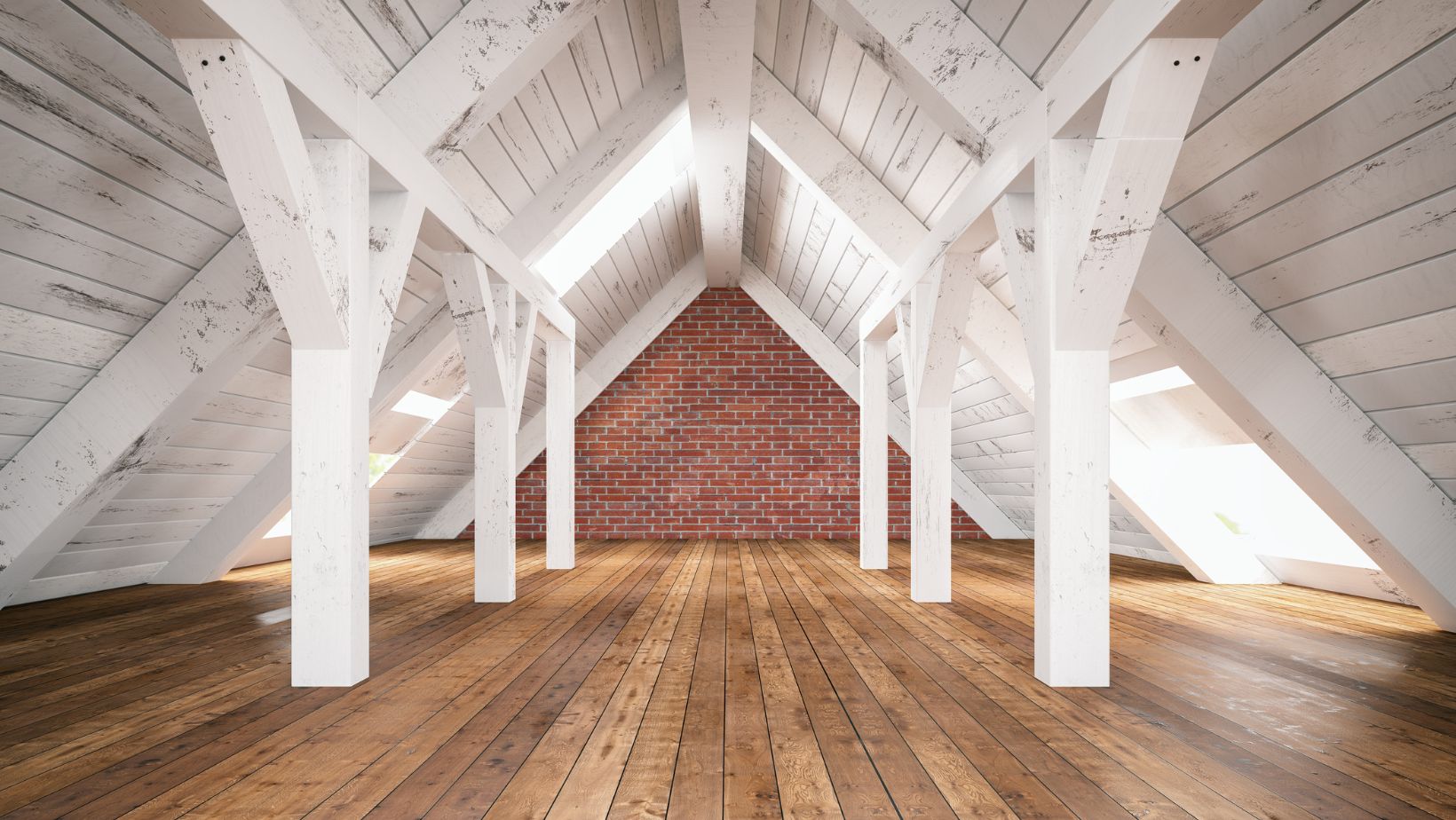
In the recent case of McGee v Long Term Reversions (Harrogate) Limited, the tribunal decided upon whether a leaseholder could adversely possess the loft space within their flat whereby the loft space was not demised within their lease.
The applicant had used the loft space which was only accessible from their flat for 18 years. They applied under Schedule 6 of the Land Registration Act 2002 (LRA 2002), using the forms ADV1 and ST1. HM Land Registry raised a requisition and advised the applicant to apply for a first registration of an additional leasehold title under Section 3 of LRA 2002, using Form FR1 and ST1.
The fist registration application was disputed by the freeholder and the matter was referred to the tribunal. The tribunal took the initial view that the application was made in the incorrect form and that an application under Schedule 6 of the LRA 2002, using the forms ADV1 and ST1 was the correct application. The tribunal did note that there was an argument either way and therefore invited an application for this question to be tried as a preliminary issue.
The applicant went onto make the application and the tribunal decided that HM Land Registry were correct in their advice that a first registration of an additional leasehold title under Section 3 of LRA 2002, using Form FR1 and ST1 was the correct route in this case.
It should be noted that this decision was made in the First-tier Tribunal and therefore not binding. It will take a decision from the Upper Tribunal or appeal courts before we have certainty on this matter, however the fact that HM Land Registry and the First-tier Tribunal seem to be in agreement, applicants should proceed with the Form FR1 and ST1 in these cases.
How can Pinney Talfourd help?
Pinney Talfourd’s residential property litigation department has vast experience in submitting and defending adverse possession applications.
It is important to work with qualified professionals to ensure accurate information is provided and proper procedures are followed.
Find more information in our Legal Hub article here: ‘How to Apply for Adverse Possession‘
Alternative, contact a member of the team on 01708 511 000 or email .
More information
At Pinney Talfourd, our specialist divorce lawyers are members of Resolution, dealing with many matters using a collaborative approach. We want to help our clients to achieve a fair settlement. If you are considering a divorce and want to find out some more information, please contact a member of our family team to book a free initial consultation.