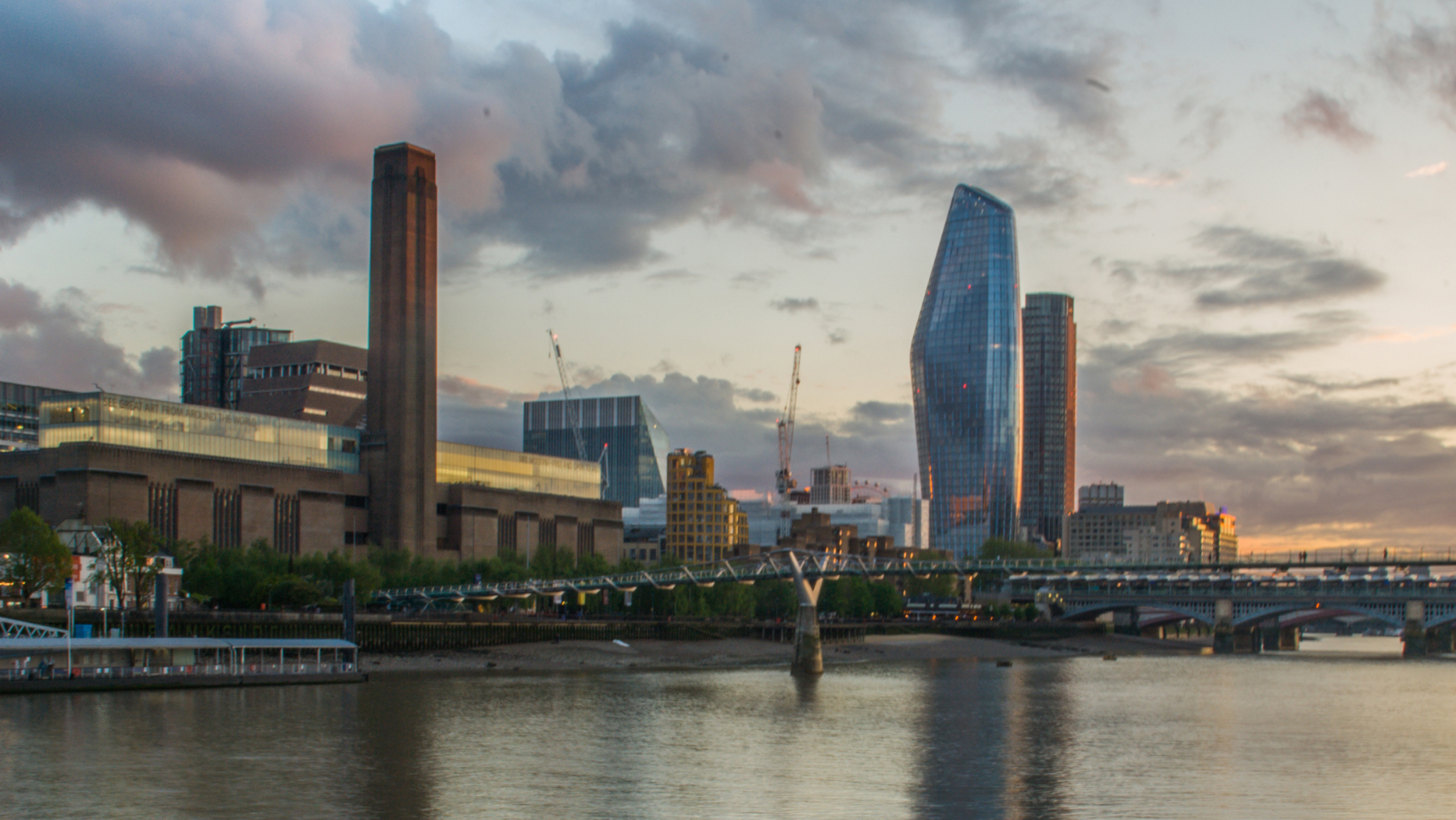
A bombshell judgment in the Fearn and Others v Board of Trustees of the Tate Gallery (2023 UKSC 4) matter provides a concise explanation of private nuisance and establishes that “visual intrusion” can give rise to an actionable nuisance. Partner, Stephen Eccles discusses the case.
Background
Tate Modern is a world leading art gallery; its founding ethic is similar to the BBC in that it has a duty to inform and educate. It is a landmark building (a converted power station) and attracts visitors from all over the UK and worldwide. It is one of the ten great galleries of the world.
The Tate Gallery had given the public access to the top floor of its building providing panoramic views over London and this was a popular part of the gallery’s attraction.
A neighbouring residential block of flats with full length windows was overlooked by the viewing platform and the claimants were residents of those flats and they were trying to prevent the Tate giving public access to the viewing platform as they felt it was intrusive.
The High Court and the Court of Appeal had rejected the claim finding that “visual intrusion” or “overlooking” cannot in law be an actionable nuisance.
The Supreme Court has overturned the Lower Court’s decision and therefore has created new law. Prior to this case, visual intrusion or overlooking was not thought to be actionable.
The Supreme Court restated the basic principles applicable to private nuisance which can be defined as a diminution in utility and amenity value of land caused by a neighbour’s actions. The Supreme Court held that the flat owners had suffered nuisance because the Tate’s use of land caused substantial interference with the ordinary use of the flats.
The decision
The Supreme Court decision was a three to two decision, Lord Sales and Lord Kitchin dissenting, the lead judgment was given by Lord Leggatt who said that it is “beyond doubt” that the viewing platform substantially interfered with ordinary use and enjoyment of the flats.
Why is this case so significant?
The flat owners could have avoided being overlooked by utilising blinds or curtains during the operating hours of the viewing platform. This would have avoided any visual intrusion. The Supreme Court appears to have said that the flats full length glass windows do not affect a Court’s assessment of whether the visual intrusion is a nuisance.
The Supreme Court was at pains to point out that simply overlooking neighbouring land will not constitute a nuisance if it is in the “ordinary course” of use of the land. Effectively, the Supreme Court held that the Tate’s viewing platform was not “in the ordinary course” so the case does not appear to give rise to ordinary residential properties making such claims against each other.
Surveyors may want to consider the implications of the Judgment when preparing reports for purchasers, developers may want to consider the implications of the case when designing new buildings. Query whether a property with a roof balcony or terrace overlooking a neighbour will now be actionable? Also, whether intrusive CCTV installations which see into another person’s property would be actionable in nuisance now?
How we can help
Stephen Eccles, Property Litigation Partner can assist clients and advise on all aspects of nuisance. He is assisted by Lisa Eastwood and Oliver-James Topping who are part of a five-lawyer specialist Property Litigation Team.
More information
At Pinney Talfourd, our specialist divorce lawyers are members of Resolution, dealing with many matters using a collaborative approach. We want to help our clients to achieve a fair settlement. If you are considering a divorce and want to find out some more information, please contact a member of our family team to book a free initial consultation.