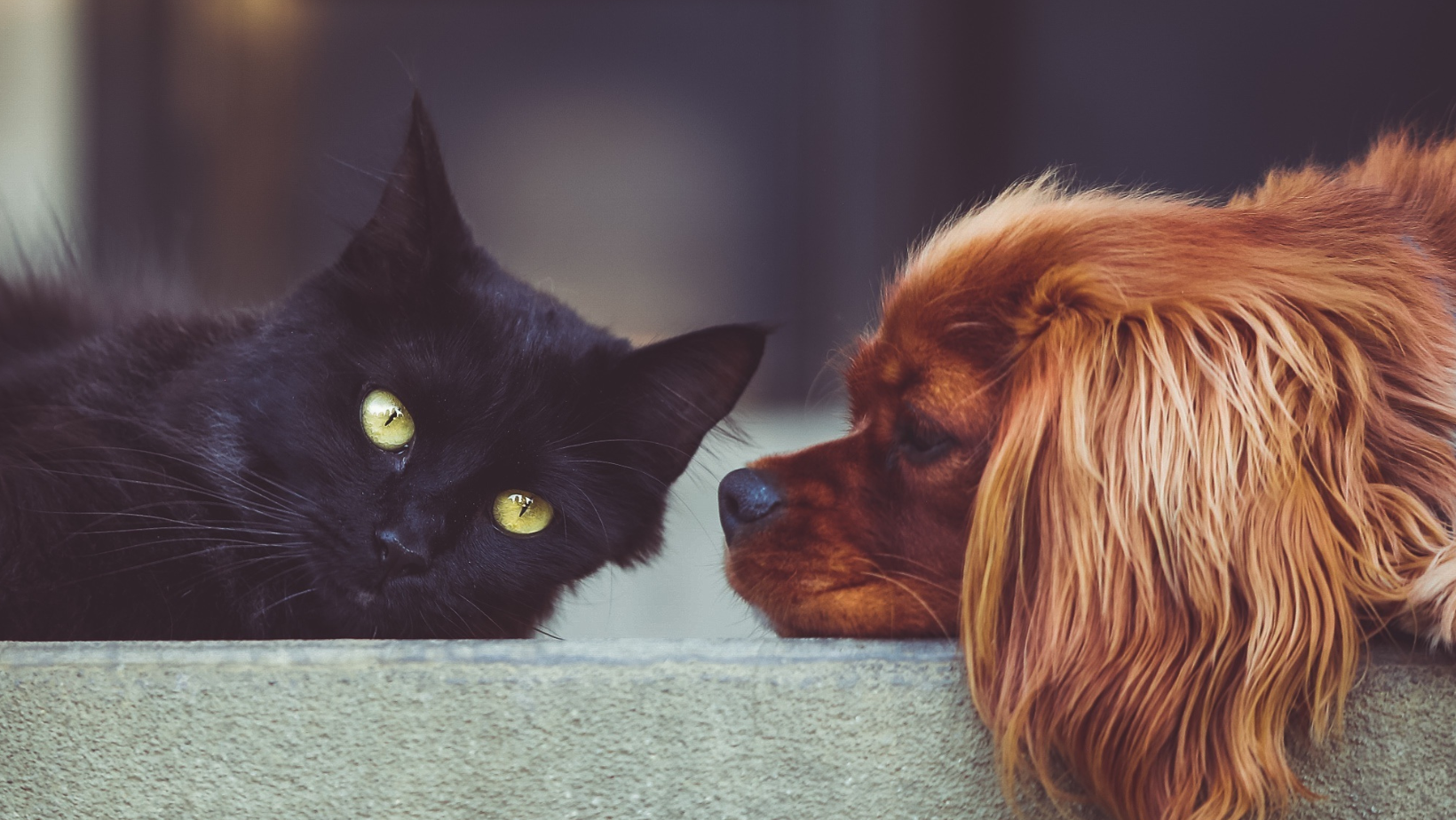
Pets are considered by many as part of the family. But how do the Courts view pets when it comes to divorce?
The Law
Pets are treated as chattels under English Family Law. This means that pets are treated the same way as a car, a coffee table or even a painting.
When a dispute arises over the ownership of a pet the Court will consider factors such as:
- Who bought the pet?
- Was the pet bought during the relationship?
- Were the parties cohabiting at the time of purchase?
- Whose name is recorded at the vet’s practice?
- Who is registered on the insurance certificate?
- Who usually takes care of the pet?
- Who pays the day to day expenses for the pet?
- Whose name was given to the Kennel Club or breeder?
The Court has distributive powers pursuant to the MCA 1973. It can make a property adjustment order pursuant to section 24(1) in respect of the pet which one or both of the parties is entitled to. The Court can also order the sale of the pet pursuant to section 24(a).
The Court does not take into consideration the pet’s welfare when deciding what order to make and applications to the Court in respect of pets are rare.
What can you do if a dispute arises regarding your pet?
The Court encourages parties to settle out of Court. There are several options available to parties in resolving disputes regarding the pet such as who will be financially responsible for the pet and/or how often each party can spend with the pet following the breakdown of a relationship.
Negotiate with your partner
Speak to your partner and negotiate directly. This is the most effective option.
Mediation
If negotiations with your partner have been unsuccessful then you can engage a mediator or a third party who has a particular expertise in disputes involving pets.
Engage a Solicitor
If mediation and negotiations with your partner have been unsuccessful then you can appoint a solicitor to engage directly with your partner, which could lead to a resolution but it can be a costly process.
Arbitration
Arbitration is another alternative to Court proceedings. This will produce a binding outcome and can be a quicker and more streamlined process than Court proceedings.
What about a Pet-Nup?
A Pet-Nup is an agreement between parties setting out the rights of ownership as well as the arrangements for the pet’s ongoing care for example, who will pay for expenses such as medical insurance, food or vet bills. It can also cover arrangements for contact in the event of the parties separating. Pet-Nups are not legally binding however the Courts are placing increasing weight on such agreements provided they have been entered into freely.
A Pet-Nup should always be considered as they can often alleviate potential disputes and hostility in the event of the breakdown of a relationship. It is recommended to seek independent legal advice with drafting a Pet-Nup.
More information
At Pinney Talfourd, our specialist divorce lawyers are members of Resolution, dealing with many matters using a collaborative approach. We want to help our clients to achieve a fair settlement. If you are considering a divorce and want to find out some more information, please contact a member of our family team to book a free initial consultation.