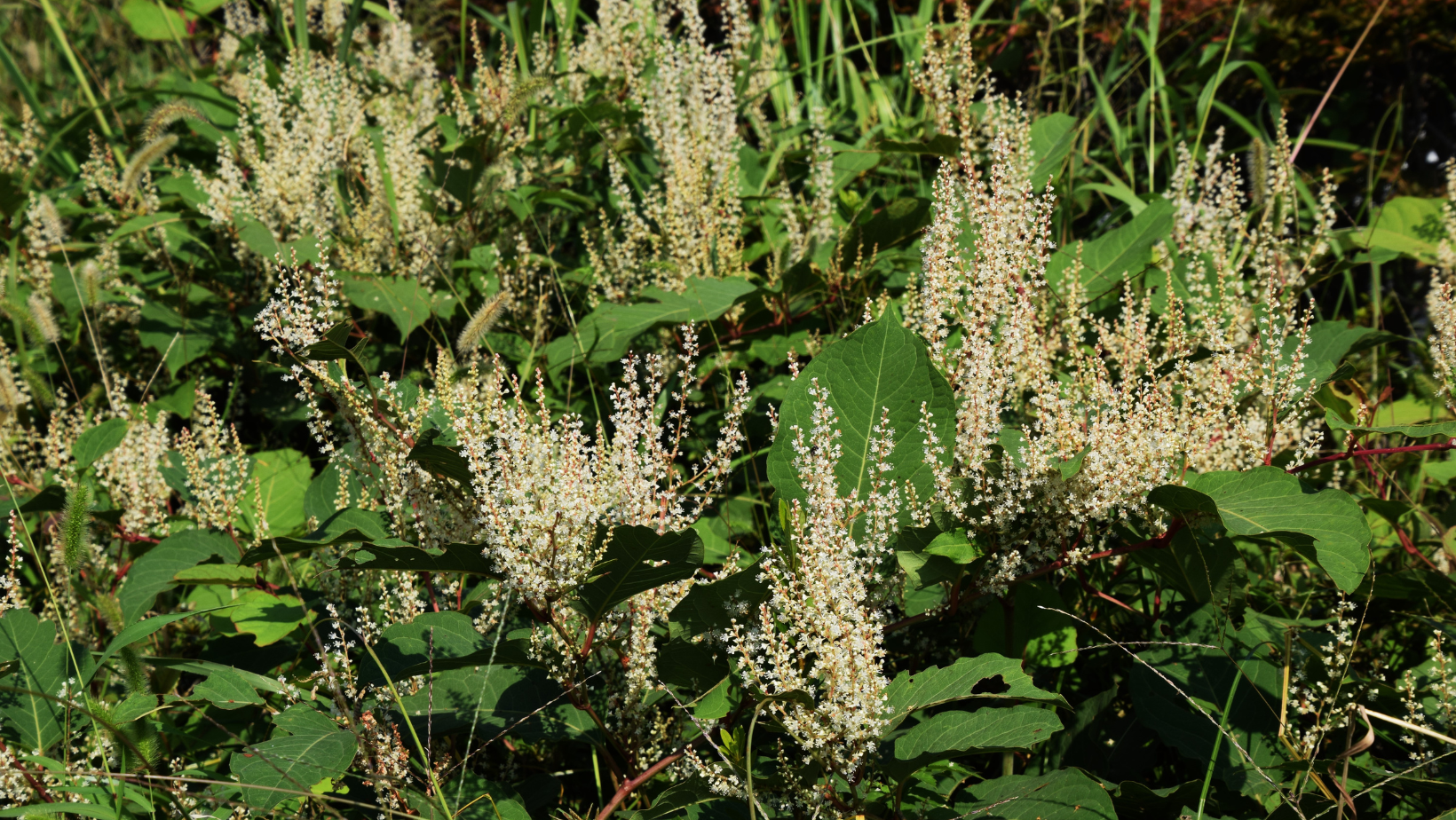
Japanese knotweed was first introduced to the UK from Japan in the early 19th century, which many green thumbs thought would be a great addition to their gardens, with pleasing red shoots, heart-shaped foliage, and graceful bamboo like stems. The only information that was not disclosed in relation to this once thought beautiful shrub, was that this would be a permanent feature to any garden and required desperate action for removal.
Why is Japanese knotweed such a problem to a residential property?
The Japanese knotweed has very thick stems which can grow up to 10cm (3.9 inches) per day. Because of the accelerated growth, this weed has been found to damage or accelerate damage to building structures by finding cracks in concrete walls, brick walls, sewage and drainage works and attempting to grow through them.
Chemical treatments can take at least three years with several applications throughout each year. Alternatively, the area can be dug to a depth of at least 3m (10ft) with the soil etc. needing to be professionally disposed of. Even after eradication, the alien shrub can return again and again if any small fragments are left behind.
This can affect residential property transactions as lenders are cautious when offering a mortgage, with a suggestion that even the historic presence of Japanese Knotweed causing a drop in property value of up to 15%. The enquiry process may also be significantly more extensive and potentially cause delays to the transaction.
Why do I have to disclose Japanese knotweed when selling a property?
Allowing Japanese knotweed to freely grow in your garden is not illegal but allowing the plant to spread onto neighboring properties is a criminal offence punishable by up to £5,000 and/or 6 months in prison as well as a civil offence of nuisance. A home that was sold in August 2018 found its way onto the news in 2023 as a £700,000 house that was sold to an unknowing buyer was discovered to have the weed growing in the garden of the property. The judge held that the seller should have known Japanese Knotweed was present at the Property. Therefore, as the seller did not disclose this in their conveyancing property information form (TA6) they faced a £200,000 in damages for misrepresentation.
If, as a seller, you are unsure if Japanese knotweed is growing in or around your property, it is important that you ensure that ‘Not known’ is ticked on the property information form (TA6) to avoid accidentally answering incorrectly, and leaving yourself open to an accusation of misdescription.
How Pinney Talfourd can help
If you wish to discuss this topic further, please do not hesitate to contact a member of Residential Property team.
More information
At Pinney Talfourd, our specialist divorce lawyers are members of Resolution, dealing with many matters using a collaborative approach. We want to help our clients to achieve a fair settlement. If you are considering a divorce and want to find out some more information, please contact a member of our family team to book a free initial consultation.