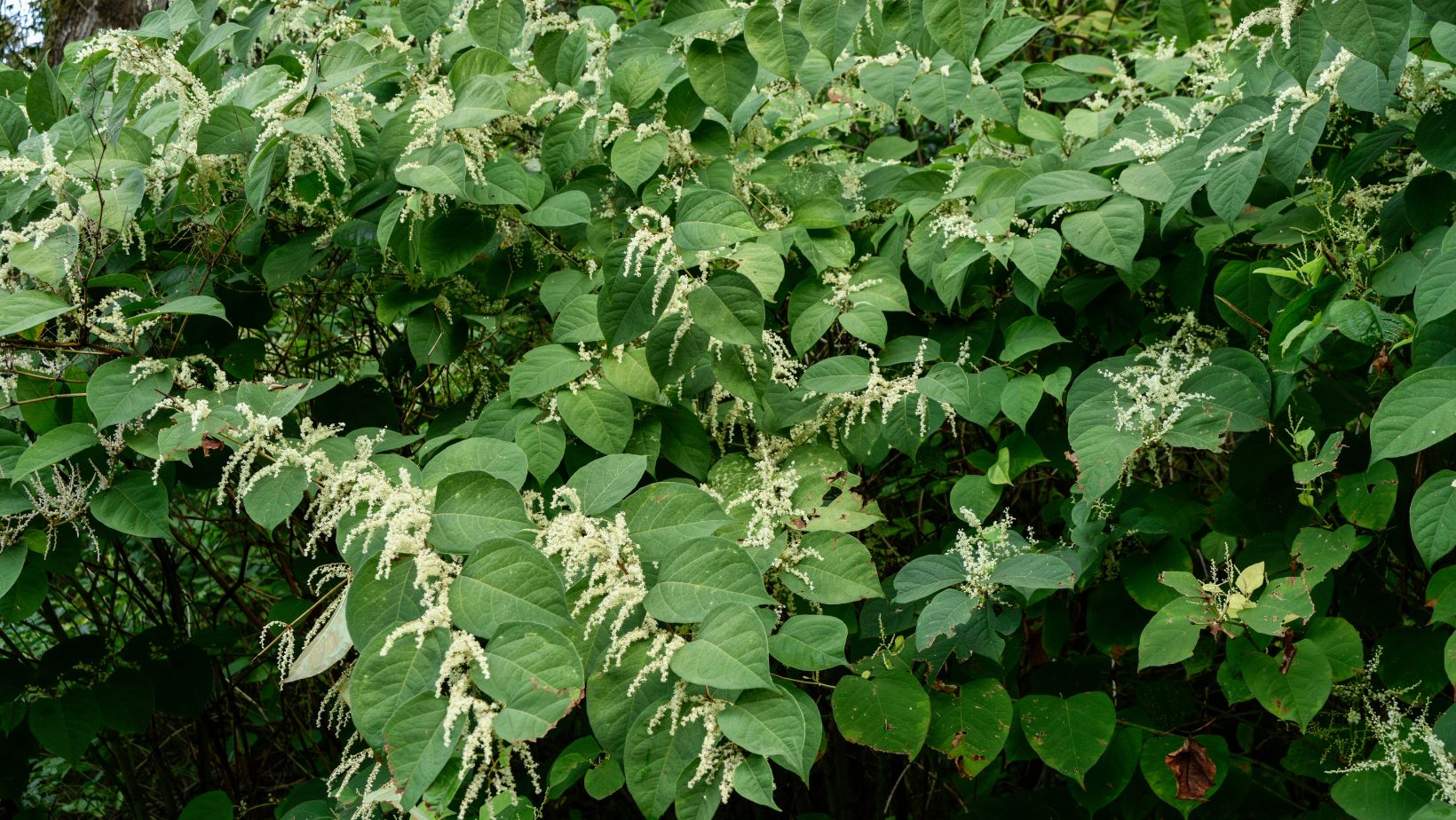
When buying or selling a home, garden plants may not seem like a major concern—but certain species can present serious legal and financial risks. Invasive plants like Japanese knotweed, Himalayan balsam and bamboo can damage property, reduce value, and even stop a sale from proceeding.
As Residential Property Lawyers, we regularly deal with the legal implications of invasive species in conveyancing. Here’s what homeowners and buyers need to know.
What Is an Invasive Species?
An invasive species is a non-native plant that spreads rapidly and causes harm to the environment, human health, or property. These plants can grow aggressively, overwhelm native species, and damage buildings or infrastructure.
The most problematic plant in residential property in the UK is Japanese knotweed, followed by others like Himalayan balsam and certain types of bamboo.
Japanese Knotweed: What You Need to Know
Japanese knotweed (Reynoutria japonica) is a fast-growing plant that can cause:
- Structural damage by penetrating cracks in walls, paving, drains and foundations.
- Legal issues if it spreads onto neighbouring land.
- Mortgage difficulties, as many lenders are cautious about lending on properties affected by knotweed.
- Reduced property values and long-term stigma, even after treatment.
It is an offence to plant or allow knotweed to spread in the wild under the Wildlife and Countryside Act 1981, and you could also be liable under the Anti-Social Behaviour, Crime and Policing Act 2014 if it spreads to a neighbour’s land.
How Does It Affect a Property Sale?
If you are selling a property, you are legally required to disclose whether Japanese knotweed is present or has been within 3 metres of the boundary. This is asked specifically on the TA6 Property Information Form.
If you fail to disclose it and the buyer later discovers knotweed, they may bring a claim for misrepresentation.
Can a Property Still Be Sold with Knotweed?
Yes—but it’s more complicated.
Many mortgage lenders will not lend on a property affected by knotweed unless:
- A professional treatment plan is in place.
- The plan is carried out by a PCA-accredited contractor (Property Care Association).
- There is a 10-year insurance-backed guarantee.
Without this, a buyer may not be able to raise finance, and even cash buyers may reduce their offer or pull out altogether.
What Does Treatment Involve?
Treatment must be done professionally and may take 2 to 5 years to complete. Options include:
1. Herbicide Treatment
This is the most common approach and involves repeated applications of approved herbicides over multiple seasons. It must be carried out by qualified contractors and monitored over time.
2. Excavation and Removal
Involves digging out the entire plant, including rhizomes (roots), and disposing of the material at a licensed site. This is faster but much more expensive.
3. Root Barrier Installation
Sometimes used alongside excavation, root barriers prevent regrowth from spreading into adjacent land.
A professional contractor will usually provide a management plan and an insurance-backed guarantee, which are essential for protecting both seller and buyer.
Other Invasive Plants
Himalayan Balsam
This plant spreads quickly along waterways and outcompetes native species. It is now listed under the Invasive Species (Enforcement and Permitting) Order 2019, making it illegal to plant or cause it to grow.
If it spreads to neighbouring land, a property owner may be liable for nuisance.
Bamboo
Although not officially classified as invasive, fast-spreading “running” bamboo can damage structures and cause disputes between neighbours. It can reduce a property’s value and may be flagged on surveys.
While there’s no legal requirement to disclose bamboo during a sale, it may still lead to issues during the transaction if it’s found to be causing damage.
Key Advice for Sellers
- Be honest and accurate when completing the Property Information Form (TA6).
- If knotweed is present or suspected, instruct a PCA-accredited specialist to assess the situation.
- Provide any treatment plans, reports or guarantees to your solicitor as early as possible.
- Understand that untreated or unreported knotweed can delay or derail a sale—and potentially expose you to future claims.
Key Advice for Buyers
- Ask your solicitor to make specific enquiries about invasive species.
- Check the seller’s TA6 responses carefully.
- Consider instructing a specialist survey if there are any signs of invasive plants.
- If knotweed is present, ensure there is a robust treatment plan and guarantee in place before proceeding.
Conclusion
Invasive species, particularly Japanese knotweed, can have a significant impact on the saleability, value, and mortgageability of a property. Sellers have a legal duty to disclose known issues, and buyers should take steps to investigate and protect their investment.
How Pinney Talfourd can help?
Our residential property team is experienced in dealing with these issues and can provide clear legal advice throughout the transaction. For more information, contact our team on 01708 511 000.
More information
At Pinney Talfourd, our specialist divorce lawyers are members of Resolution, dealing with many matters using a collaborative approach. We want to help our clients to achieve a fair settlement. If you are considering a divorce and want to find out some more information, please contact a member of our family team to book a free initial consultation.