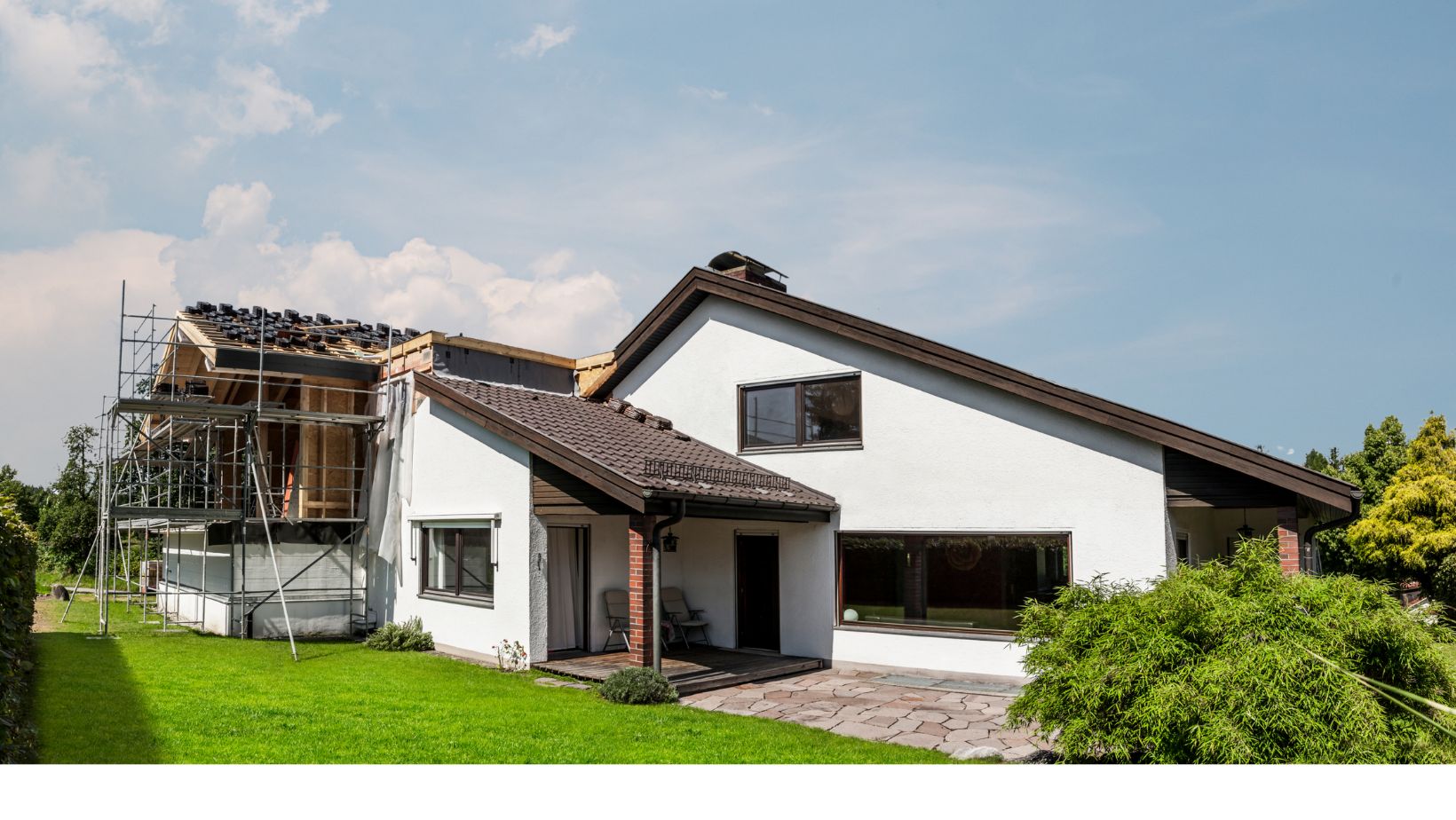
Whether you are buying or selling a home or planning a new extension, it’s important to understand what happens when building close to underground drainage. One key thing to consider is the Build Over or Build Near Agreement.
Understanding the Basics of Build Over or Build Near Agreement
Here is a quick breakdown of some common drainage terms you may come across:
Drain
A pipe that carries wastewater (such as from toilets, sinks, and washing machines) from your home to the main sewer system.
Lateral Drain
This connects the drains on your property to the public sewer network. These are often found outside your property boundary under pavements or roads.
Private Sewer
A pipe that links your property’s drains to those of neighbouring homes before joining the public sewer. These are typically shared and remain the responsibility of the homeowners using them.
Public Sewer
Where two or more drains from different properties meet, the system becomes a public sewer owned and maintained by the local water authority.
What Is a Build Over / Build Near Agreement?
A Build Over or Build Near Agreement is a formal agreement between you (the homeowner) and the local water authority. You will need this if you are planning to build over or within close distance (usually 3 metres) of a public sewer.
This agreement is designed to protect the drains and sewers that serve your home and your neighbours and ensure the water company still has access for inspections, maintenance, or repairs.
What Changed in 2011?
Since 1 October 2011, most private sewers and lateral drains that connect to a public sewer became the responsibility of the local water authority not individual homeowners.
That means if you are doing any building work near these pipes, you will likely need a Build Over or Build Near Agreement before work starts, especially if:
- You are building within 3 metres of a public sewer or shared drain
- Your plans involve deep foundations, piling, underpinning, or a basement
- You are building within 1 metre of a private sewer that crosses your boundary
Why Does This Matter?
Getting the agreement in place before you begin building is essential. Retrospective agreements are not guaranteed and if refused, you might be faced with expensive remedial work or even have to change your plans altogether.
You are legally required to notify your local Building Control team if you are altering or building near drains or sewers. As the homeowner, it is your job to investigate what drainage is nearby and make sure the proper consents are in place.
What to do if you are Selling a Property
If you have had an extension or building work done in the past and did not obtain a Build Over or Build Near Agreement, this could cause issues during the sale of your property.
Buyers (and we, as your solicitors) will ask for evidence that the correct permissions were obtained. If no agreement exists where one was needed, the buyer might:
- Request indemnity insurance
- Ask you to apply for a retrospective agreement
- Try to renegotiate the price
- Or in some cases, walk away from the deal altogether
To avoid delays or complications, we recommend gathering all relevant building and drainage approvals including any Build Over or Build Near Agreements early on in the selling process.
What to do if you are Buying a Property with an Extension
If you are buying a home that has been extended, we will raise enquiries with the seller’s solicitors by:
- Checking whether any part of the property was built close to or over a public sewer
- Requesting copies of any Build Over / Build Near Agreements
- Reviewing building control approvals and drainage layout plans
If no agreement was obtained when one should have been, this could leave you, as the new owner, responsible for sorting out any issues in the future. It might also limit your ability to carry out future works or affect your ability to sell later on.
How Pinney Talfourd can help?
We are here to help you ensure everything is in order when you come to sell your property or purchase a property. Please contact a member of our Residential Property Team on 01708 511 000 for further information.
More information
At Pinney Talfourd, our specialist divorce lawyers are members of Resolution, dealing with many matters using a collaborative approach. We want to help our clients to achieve a fair settlement. If you are considering a divorce and want to find out some more information, please contact a member of our family team to book a free initial consultation.