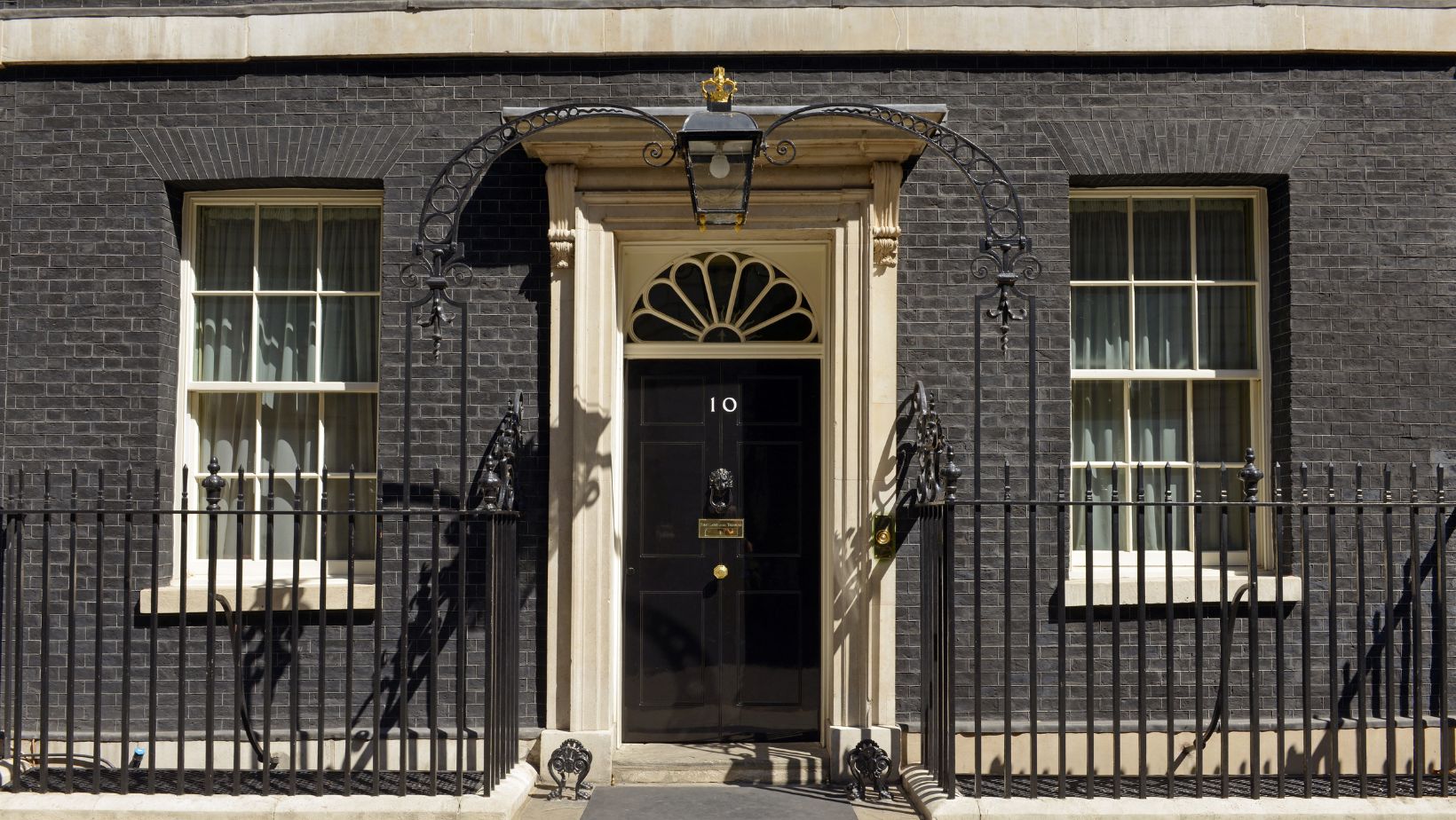
The BBC has recently reported that former Prime Minister Liz Truss has sent a legal “cease and desist” letter to Sir Keir Starmer demanding he stop saying she “crashed the economy”.
The report says that her lawyers argue the claim made repeatedly by Sir Keir is “false and defamatory”, and harmed her politically in the run-up to losing her Southwest Norfolk seat in the general election.
What is a cease-and-desist letter?
A cease-and-desist letter is a formal written request to an individual, or business, requesting that they stop using the defamatory statement complained of. Whilst the letters themselves do not prevent the recipient from continuing with the activity, the letters can be used to outline what further legal action will be taken if the activity does not cease.
What does a cease-and-desist letter contain?
Often, the letter (also known as a Letter of Claim) will be written in accordance with a specific type of “Pre-Action Protocol” which are protocols and rules setting out how the parties should act, and used to encourage early settlement of the matter without court proceedings being necessary. The most common protocol used in cases of defamation is the Pre-Action Protocol for Media and Communication Claims. This protocol requires that the letter should include various information including, but not limited to:
- sufficient details to identify the specific publication which contained the statement complained of;
- the statement complained of and, if known, the date of publication; where possible, a copy or transcript of the statement complained of should be enclosed and, in the case of slander, where and in what circumstances as far as known the statement complained of was spoken;
- factual inaccuracies or unsupportable comment within the statement complained of; the Claimant should give a sufficient explanation to enable the Defendant to appreciate why the statement is inaccurate or unsupportable;
- for defamation claims, how or why the Claimant says that the statement complained of has caused or is likely to cause serious harm for the purposes of section 1 Defamation Act 2013.
Most cease and desist Letters of Claim also require the proposed defendant to:
- remove the defamatory statement from any online platform
- refrain from continuing to make the defamatory statement, or to re-publish the defamatory statement
- compensate the claimant for damage to reputation, distress and financial loss caused.
How Pinney Talfourd can help
Defamation poses a substantial threat to both individual and business reputation, revenue, and relationships. At Pinney Talfourd, our Commercial Litigation team are dedicated to safeguarding our clients’ interests by providing expert legal guidance in navigating the intricacies of defamation law.
More information
At Pinney Talfourd, our specialist divorce lawyers are members of Resolution, dealing with many matters using a collaborative approach. We want to help our clients to achieve a fair settlement. If you are considering a divorce and want to find out some more information, please contact a member of our family team to book a free initial consultation.